ExhibitionRCA
Ongoing MA Information Experience Design, including Know Thyself, presented as part of the Royal College of Arts Degree Show 2026
Designer & Researcher — Health, Technology & Human Experience
Leon Hapka is a researcher, interaction designer and truth seeker whose practice explores how design can translate complex systems into meaningful human experiences. With an MSc in Medical Biotechnology specialising in Epigenetics and clinical research experience at the University of Oxford, alongside seven years of experience working with leading international design studios—including Pentagram, DesignStudio, Wolff Olins, FutureBrand, Why Not Associates and Astrid Stavro Studio—his work bridges science, technology and interaction design.
Currently completing an MA in Information Experience Design at the Royal College of Art as a Pokémon Scholar, Leon investigates how multimodal sensing, conversational interfaces and generative visualisation can make health knowledge more accessible, encouraging greater self-awareness, health literacy and personalised approaches to wellbeing.
His long-term ambition is to build an interdisciplinary research programme that brings together design, medicine, artificial intelligence and education to rethink how we learn about ourselves. He welcomes conversations with researchers, clinicians, educators, institutions and partners interested in advancing this vision together.
Contact
1165.blue@gmail.comResearch Project
know-thyself.coBackground
MSc Medical Biotechnology
MA Information Experience Design
LinkedInSponsor
The Pokémon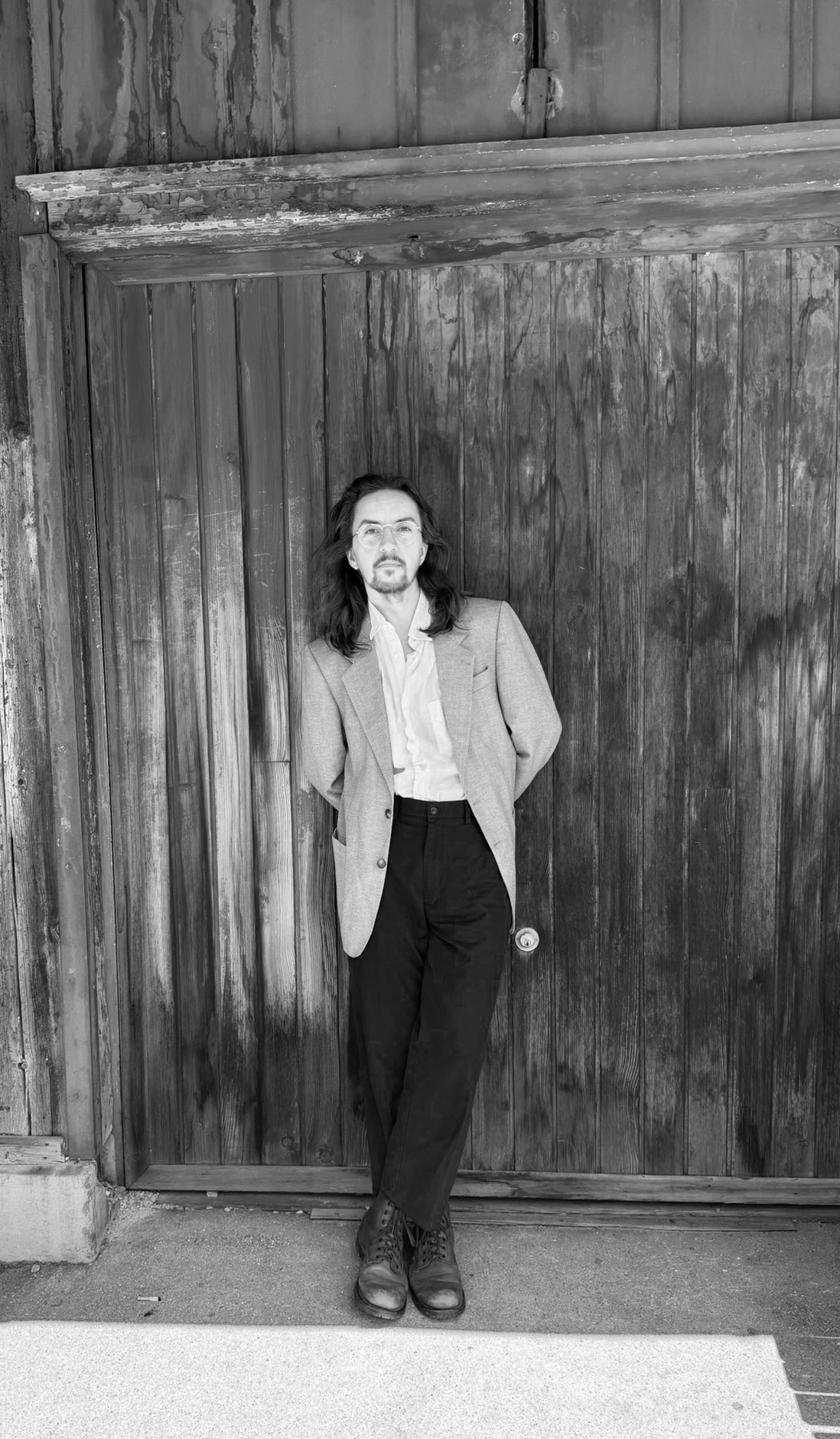
I have been interested in health, healing, and the origins of disease since I was a child. I studied Medical Biotechnology hoping to understand why people get sick — and more importantly, how to prevent it.
I came across psychoneuroimmunology and immediately felt that it held a great deal of truth. Thanks to epigenetics, I came to understand that very little is predetermined when it comes to illness — that it is far more about nurture than nature, even though nature, in its beauty, is designed to thrive. We are not supposed to be sick and weak by design. So why are we? Pursuing science and medicine left me with more questions than answers.
I moved away from the classical Western approach and began looking eastward, into ancient wisdom traditions, to understand what healing and health truly mean. I wanted to see things from a different perspective, to find the missing pieces.
I researched and studied Ayurveda, Yoga, Traditional Chinese Medicine, Herbalism, Homeopathy and Shamanism, among many other disciplines and subjects. I found ripples of truth everywhere — but also grew frustrated, unable to find coherent answers to some of my deepest questions. Every approach varied. Nothing seemed complete.
Eventually I realised that perhaps my role was not to discover another health system. Perhaps it was to translate between them.
This realisation ultimately led me away from medicine and science and towards interaction design. I left science to pursue interaction design, believing that art would allow me to raise awareness with greater impact — using storytelling and design to address medical subjects that would otherwise be impossible to explore within academic science.
I came to believe that design could communicate complexity in ways that scientific papers often cannot. Rather than producing more information, interaction design has the potential to transform information into understanding.
Throughout my life I have experienced various health challenges, some minor and some more serious. But the real turning point came between 2021 and 2025, when I was struck by a series of extraordinarily complex health crises. I was struggling for my life — bedridden, suffering beyond imagination. It was the most educational and humbling experience I have ever had. Being on death's bed, feeling hopeless and helpless, I discovered that no amount of accumulated knowledge could come to the rescue.
Living through prolonged illness exposed the limitations of every system I had previously trusted — both conventional and alternative. More importantly, it revealed how difficult it is for individuals to make sense of fragmented health information while experiencing real suffering.
That experience became the true beginning of my current ongoing research and project — Know Thyself.
Know Thyself was born not from a desire to build another health application, but from a much simpler ambition: to create a tool that helps people understand themselves before they become lost in complexity.
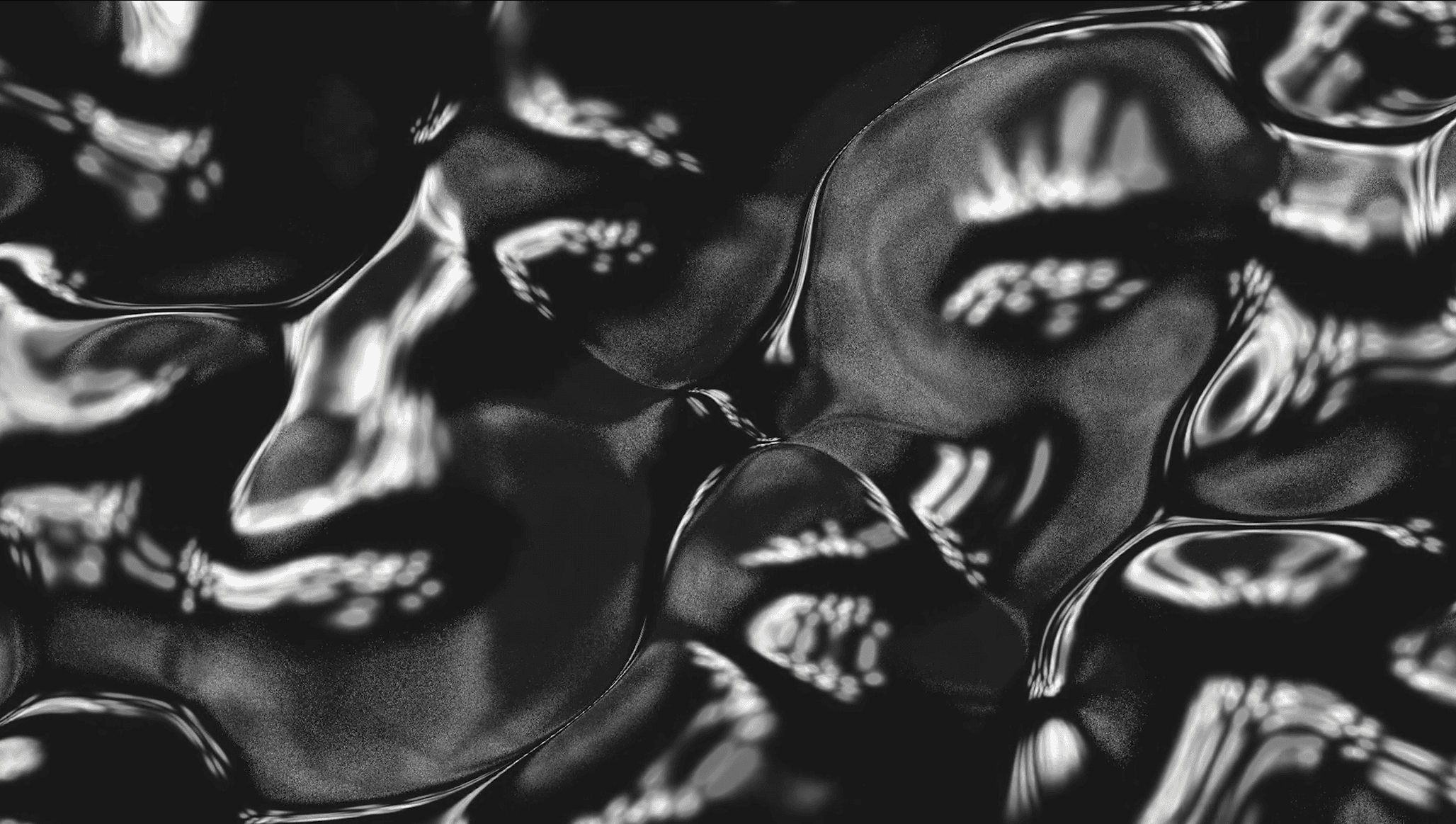
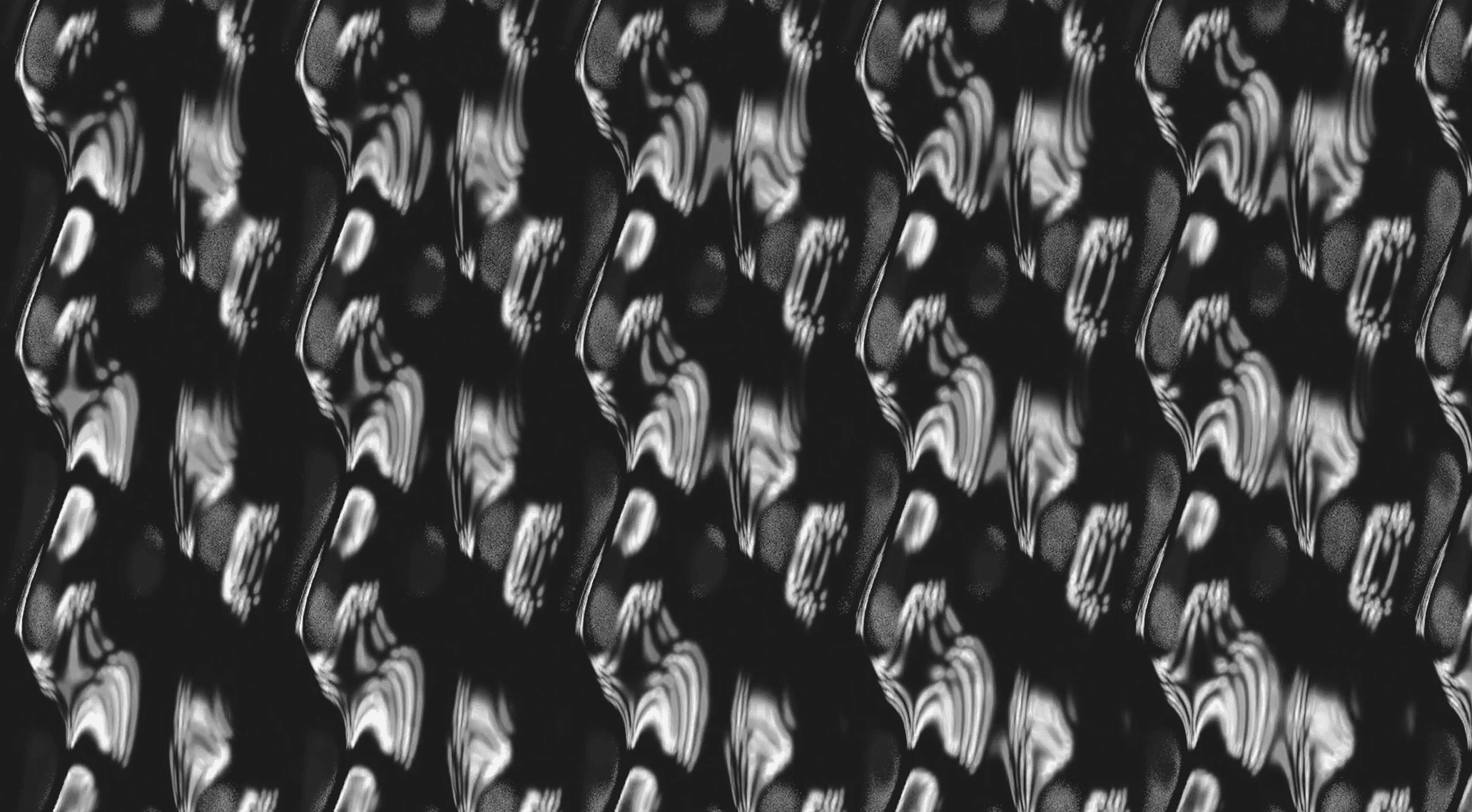
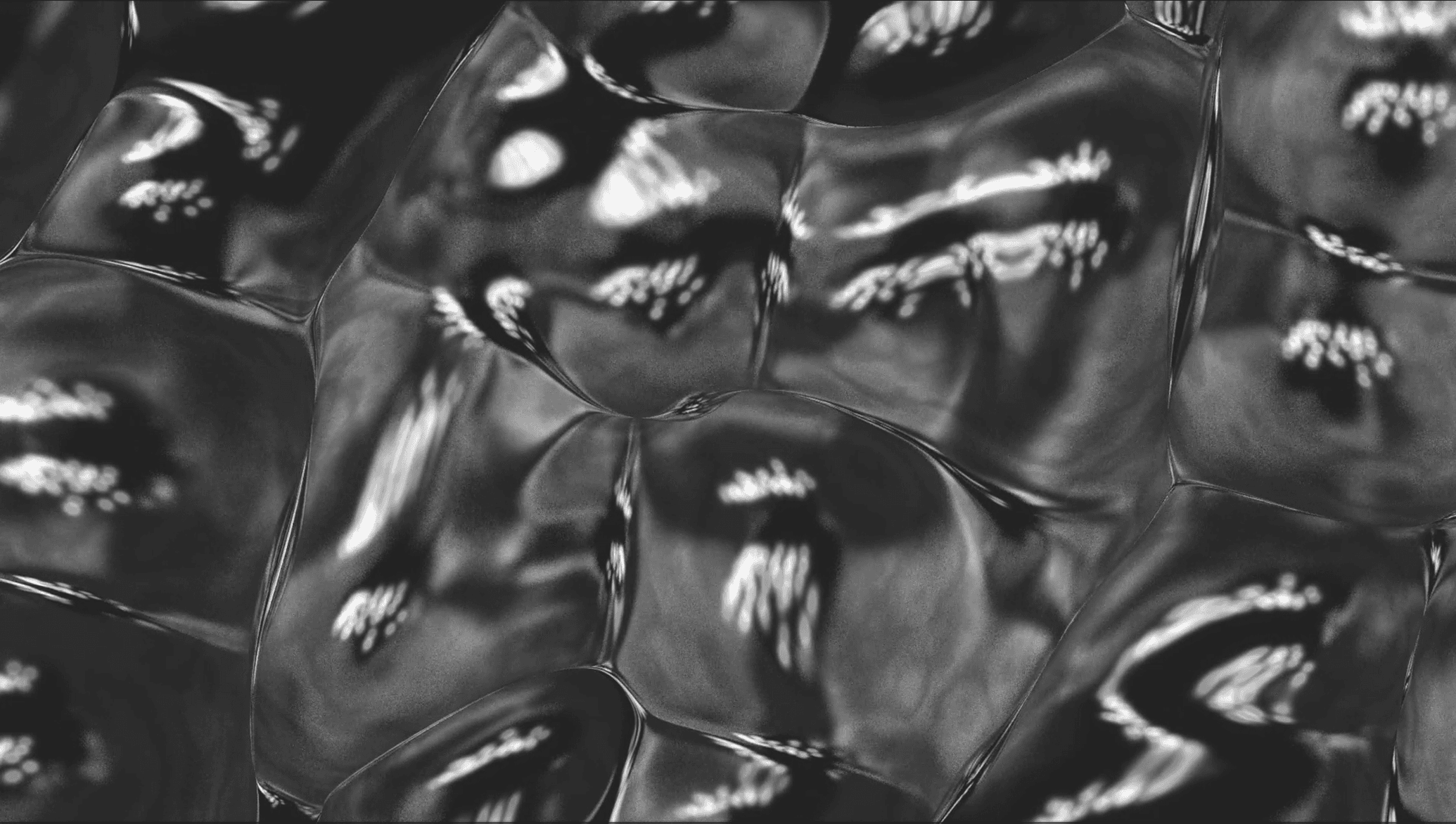
Know Thyself, is demo for an interactive educational tool that helps people better understand their body, mind and emotions, empowering them to make more informed decisions about nutrition, lifestyle and wellbeing. Full version available soon at know-thyself.co






Sonic Harmony Systems
Rythmanalysis: Water - case studies
Extempore Ensemble
Sponsors
Supported by The Pokémon Scholarship
Events
Ongoing MA Information Experience Design, including Know Thyself, presented as part of the Royal College of Arts Degree Show 2026